If your clay earrings keep coming out with fuzzy edges, stretched shapes, or corners that look a little tired before you even bake them, the cutter is often the real culprit. The best polymer clay cutters for jewelry making do more than stamp out a cute shape – they help you create pieces that feel polished, balanced, and ready to wear with pride.
For makers, cutters can be surprisingly personal. One artist wants crisp modern arches for neutral statement earrings, while another needs tiny florals for playful studs or layered charms. What works beautifully for bold dangles may feel clumsy for delicate designs, which is why choosing the right cutter is less about chasing hype and more about matching the tool to your style, clay thickness, and workflow.
What makes the best polymer clay cutters for jewelry making?
A good cutter should leave a clean edge with gentle pressure. That sounds simple, but it depends on a few details working together: a sharp cutting rim, sturdy walls, comfortable handling, and a shape that stays true when pressed into clay.
Material matters, too. Many polymer clay cutters are made from 3D-printed plastic, and plenty of them work beautifully. The catch is that print quality varies. A well-made 3D-printed cutter can give you crisp lines and charming custom shapes. A poorly made one may have rough ridges, uneven pressure points, or a dull edge that drags through the clay instead of slicing it.
Size is another big factor. Large statement earrings need cutters that keep their shape without flexing. Smaller cutters for studs and charms need precision more than force. If you love layered earrings, nesting sets can save time and make your designs feel cohesive without looking repetitive.
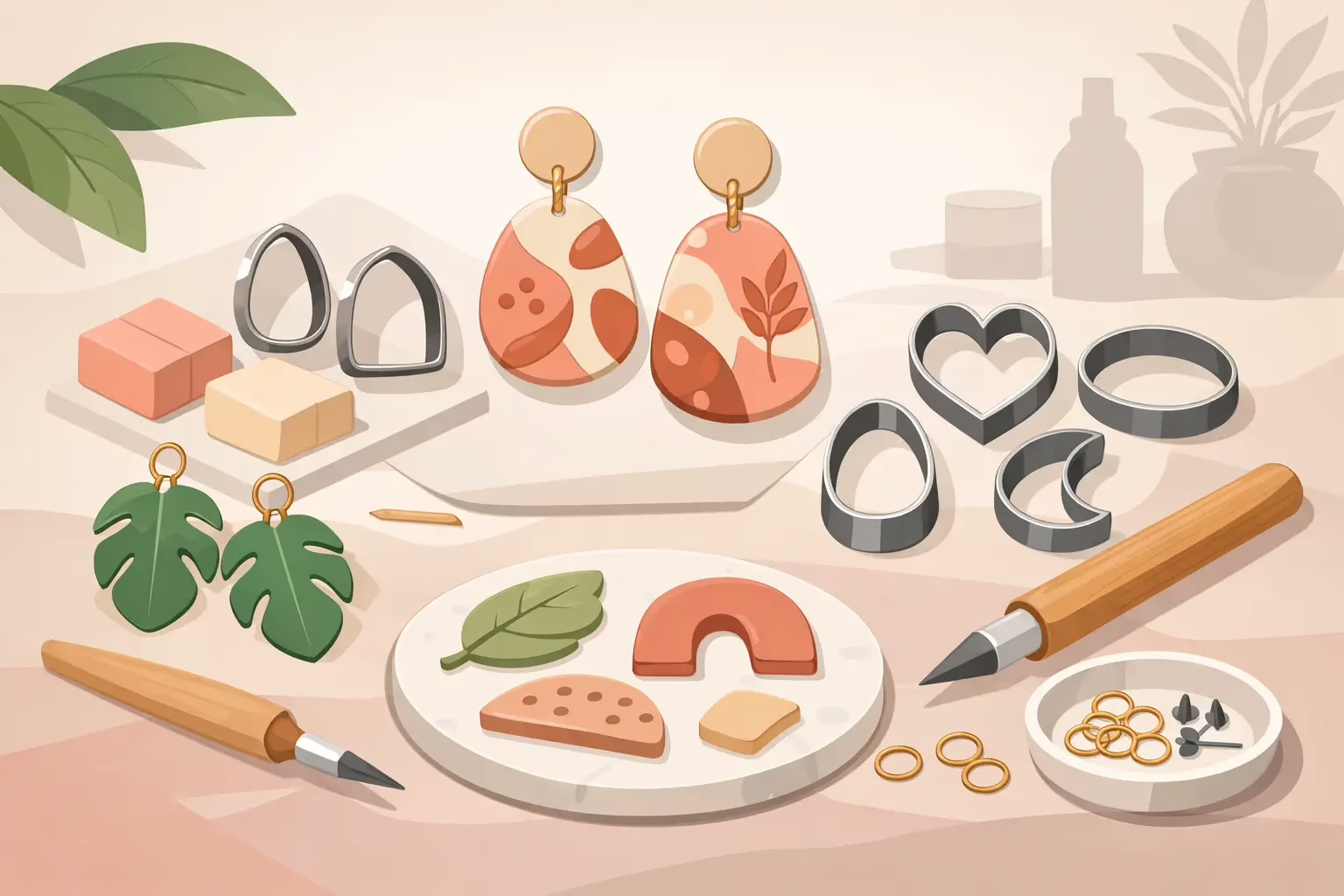
9 cutter styles worth having on your work table
1. Arch cutters
If you make polymer clay earrings, arches earn their place quickly. They feel modern, flattering, and easy to dress up with texture, mica powder, or hand-painted details. A clean arch cutter works especially well for boho styles and minimal collections because it can swing in either direction.
Look for an arch cutter with a thin, sharp rim and solid side walls. If the walls are too flexible, the curve can distort when you press down. For larger arches, a reinforced top edge makes a real difference.
2. Circle cutters
Circles are classic for a reason. They pair beautifully with almost any design style, from colorful retro drops to simple everyday studs. They also layer well with other shapes, so they are one of the most useful basics you can own.
The best circle cutters cut evenly all the way around. Cheap versions can flatten slightly, which turns a simple shape into an off-round piece that is harder to sand and finish neatly.
3. Teardrop cutters
Teardrops bring a softer, more organic line to jewelry. They feel feminine without being overly fussy, and they work beautifully for dangles, charms, and mixed-shape sets.
This is one of those shapes where symmetry really matters. A teardrop that leans too much to one side can make your finished earring look subtly off, even if everything else is done well.
4. Oval cutters
Ovals are a lovely in-between choice when circles feel too simple and teardrops feel too delicate. They are especially helpful for elongated earrings that still feel easy and wearable.
For makers who sell jewelry, oval cutters can also photograph well. The shape tends to flatter surface details like marbling, terrazzo mixes, and foil accents without competing with them.
5. Rectangle and bar cutters
Geometric jewelry lovers usually reach for rectangles early on. They feel bold, structured, and clean, which makes them perfect for contemporary earring designs.
The challenge is edge quality. Straight lines show every flaw, so rectangle cutters need to be especially sharp. If your clay drags at the corners, that usually means the cutter edge is too blunt or the clay is too warm.
6. Floral cutters
Floral cutters bring a sweeter, more playful energy to handmade jewelry. They are wonderful for spring collections, gift pieces, and designs that lean colorful and expressive.
That said, floral shapes can be tricky. Petals that are too thin may trap clay or tear the edge as you lift the cutter. The best floral cutters balance detail with practicality. You want enough definition to read as a flower, but not so much that every cut becomes a cleanup project.
7. Heart cutters
Hearts are not just for Valentine’s Day. In handmade jewelry, they can feel charming, cheerful, and surprisingly stylish when the proportions are right. A simple heart in a matte neutral clay looks very different from a bright glitter heart, but both can be beautiful.
Choose hearts with smooth curves and a defined point. If the top lobes are uneven, it will show immediately in a finished pair.
8. Organic blob cutters
These freeform shapes have become favorites for a reason. They feel artsy, relaxed, and a little unexpected, which makes them great for statement earrings and modern boho collections.
Organic cutters are also forgiving in a good way. They do not demand rigid perfection the way rectangles do, so they can be easier for newer makers to work with while still looking stylish and intentional.
9. Nesting cutter sets
If you like building layered earrings or matching collections, nesting sets are worth every bit of drawer space. Having the same shape in multiple sizes makes design planning easier and helps your pieces feel tied together.
This is especially helpful when you want to create a small collection with studs, mid-size dangles, and statement pieces that all share the same visual language.
How to tell if a cutter is actually good
A pretty product photo does not always mean a cutter will perform well. When choosing the best polymer clay cutters for jewelry making, pay attention to the little signs of quality.
First, check the cutting edge. A finer edge usually gives a cleaner cut, especially in soft clay. If the edge looks thick and rounded, expect more pressing and more cleanup. Second, look at the wall structure. Thin walls can work for tiny cutters, but larger shapes need support so they do not bow under pressure.
Grip matters more than many beginners expect. Some cutters are uncomfortable to hold, especially if you batch-make jewelry. A reinforced top edge or handle lip can make long cutting sessions easier on your hands.
It also helps to think about the type of clay jewelry you make most often. If you love minimal earrings with crisp lines, prioritize geometric precision. If your style is colorful, textured, and playful, you may get more joy from organic, floral, or custom silhouette cutters.
A few trade-offs worth knowing before you buy
Not every cutter has to do everything. Super detailed shapes can be adorable, but they often require more cleanup and are less forgiving in soft clay. Extra-large cutters can create beautiful statement earrings, but they may need firmer clay and more careful handling to avoid distortion.
There is also a balance between trendy and timeless. Trend-forward shapes can help your jewelry feel current, but staple cutters like circles, arches, and ovals usually give you the most mileage. If you are building a collection slowly, start with shapes you will return to often and add novelty cutters as your style expands.
Custom cutters can be especially tempting, and sometimes they are absolutely worth it. If you have a signature design style or sell regularly, custom shapes can help your work feel more recognizable. But if you are still figuring out your aesthetic, versatile basics may serve you better first.
Getting cleaner cuts from any polymer clay cutter
Even the best cutter performs better with good prep. Chill very soft clay for a few minutes if it feels sticky, and make sure your slab is rolled to an even thickness. Uneven clay can make a perfectly good cutter seem faulty because one side presses through before the other.
Try pressing straight down instead of twisting. Twisting can warp the shape and create ragged edges. If clay sticks inside the cutter, a light dusting of cornstarch can help, though too much may dry out the surface appearance.
A sharp cutter also works best on a smooth, firm surface. If your work mat has too much give, the cut may not go all the way through cleanly. Small setup changes often improve results more than people expect.
Which cutters are best for beginners?
If you are new to clay jewelry, start with circles, arches, ovals, and one organic shape. Those four give you plenty of room to experiment without making every project feel technically demanding. They are easy to mix, easy to style, and flexible enough for everyday earrings, gifts, and small seasonal collections.
For more experienced makers, the best set depends on your design voice. If your jewelry leans sleek and sculptural, geometric sets will probably earn the most use. If your pieces feel playful, artistic, or romantic, florals, hearts, and custom silhouettes may be more inspiring. That is one reason handmade jewelry stays so special – the tools support the artist, but the personality comes from what you choose to create.
At Scott Jewelry Design, we love anything that helps handmade work look and feel more intentional. The right cutter will not replace creativity, but it can make your ideas easier to bring to life, and that matters when you are turning a simple slab of clay into something someone will wear with joy.