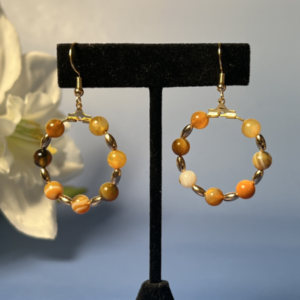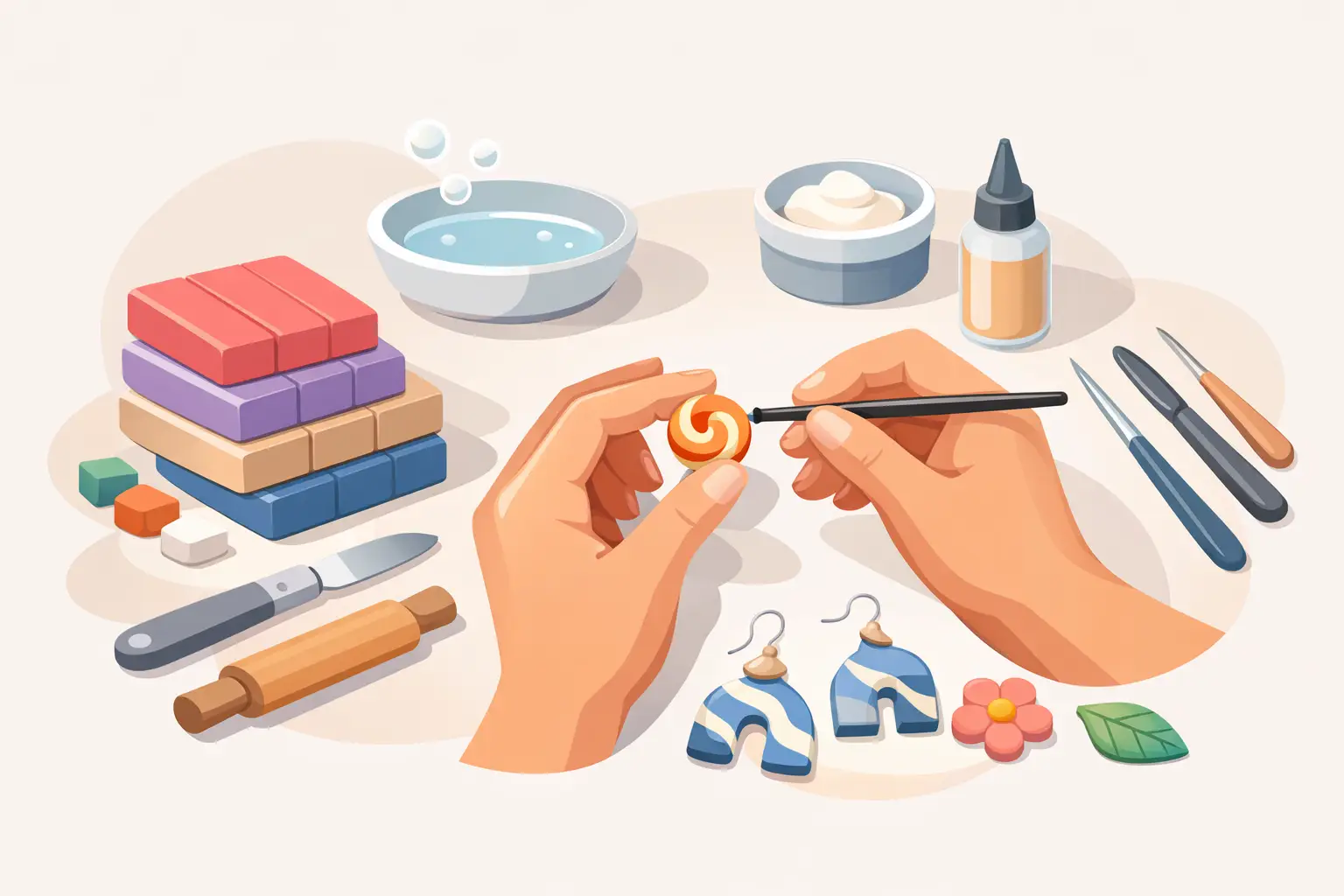
You reach for your favorite polymer clay earrings, and one has a little makeup smudge near the edge or a dull spot from being tossed into a crowded jewelry dish. It happens. A good guide to polymer clay care is less about fussy rules and more about a few gentle habits that help handmade pieces keep their color, shape, and charm.
Polymer clay jewelry is loved for a reason. It can be bold, playful, earthy, sculptural, and surprisingly lightweight, all at once. That handmade character is part of the magic, but it also means your pieces deserve a little more thought than something mass-produced and metal-only. With the right care, polymer clay accessories can stay lovely for years of everyday wear.
Why polymer clay care matters
Polymer clay is durable, but it is not indestructible. It holds up well to normal use, yet it can still be scratched, bent too far, exposed to residue, or dulled by harsh cleaners. If your jewelry includes added details like gold leaf, painted accents, resin coating, beads, or metal findings, the care needs become even more specific.
That is why a guide to polymer clay care should start with one simple truth: treat it like wearable art. You do not need to baby every piece, but gentle handling goes a long way. The better you care for handmade jewelry, the more it keeps the finish, color, and personality that made you fall in love with it in the first place.
How to wear polymer clay jewelry without wearing it out
The easiest care happens before cleaning is ever needed. Polymer clay pieces usually do best when they are the last thing you put on and the first thing you take off. Perfume, hairspray, body oil, sunscreen, and makeup can all leave residue on the surface, especially on lighter colors or matte finishes.
If you are getting dressed for a busy day, put your jewelry on after your skincare and hair products have settled. That small pause can help prevent buildup. The same goes for taking pieces off before workouts, swimming, showering, or sleeping. Water alone is not always the issue. Heat, sweat, friction, and accidental pressure are often the bigger culprits.
There is also a style trade-off worth mentioning. Oversized polymer clay statement earrings are beautiful, but because they are larger, they are more likely to bump scarves, collars, headphones, or hat brims. That does not mean you should avoid them. It just means a little awareness helps when you are moving through the day.
Cleaning polymer clay jewelry the gentle way
Most polymer clay jewelry does not need deep cleaning. Usually, a soft wipe is enough. If a piece looks dusty or has light surface residue, use a soft, dry microfiber cloth and gently buff the area. This is often all it takes to freshen up the finish.
For more noticeable smudges, use a slightly damp soft cloth with water only. Wipe carefully, then dry the piece right away. If needed, a tiny amount of mild soap can help, but keep it minimal and avoid soaking the jewelry. Too much moisture can affect attached findings, glued components, or decorative finishes.
Be careful with textured surfaces. Texture gives polymer clay its handmade beauty, but it can also hold onto makeup and lint. Instead of scrubbing, try using a soft cloth wrapped around your fingertip to gently lift residue from the raised areas. Scrubbing too hard can create shiny spots on matte clay or wear down delicate details.
What not to use on polymer clay
Harsh cleaning shortcuts can do more harm than good. Avoid alcohol, acetone, bleach-based cleaners, rough scrub pads, and strong jewelry dips. These can damage the clay surface, strip finishes, or affect painted and sealed elements.
Even common household wipes can be too aggressive, especially if they contain disinfectants or added chemicals. The same caution applies to abrasive baking soda pastes or magic-eraser style products. They may seem gentle, but they can change the finish of the clay, especially on darker or satin pieces.
If you are ever unsure, think soft, mild, and minimal. Handmade jewelry usually responds best to the least dramatic solution.
A practical guide to polymer clay care and storage
Storage matters more than many people realize. Polymer clay jewelry should be kept in a cool, dry place away from direct sunlight. Long periods of sun exposure can affect color over time, and storing pieces in humid bathrooms is not ideal, especially if they include metal hardware.
The best setup is simple. Store each piece separately or give it enough space that it will not rub hard against metal chains, gemstones, or other earrings. A soft-lined jewelry box, fabric pouch, or compartment organizer works well. This helps prevent scratches and reduces the chance of hooks and posts getting tangled or bent.
If your polymer clay jewelry has a matte finish, try not to store it pressed tightly against rough fabrics or textured surfaces. Those can leave marks over time. And while tossing everything into one catch-all bowl may feel convenient, crowded storage is one of the fastest ways to nick edges and damage delicate shapes.
Travel needs a little extra thought too. If you are packing jewelry for a trip, wrap statement pieces individually and place them somewhere they will not be crushed. Polymer clay is lightweight, which makes it great for travel, but lightweight jewelry can still get damaged if packed carelessly under heavier items.
How to handle bends, pressure, and shape changes
Well-made polymer clay has some flexibility in thinner designs, but flexibility is not the same thing as being unbreakable. Earrings and pendants should not be bent on purpose, twisted, or tested to see how far they can flex. Repeated pressure can weaken them over time.
This is especially true around drilled holes, jump ring connections, and thin decorative extensions. These are often the most vulnerable points in a design. If you are removing earrings, hold them by the hardware or the sturdier part of the piece rather than tugging on a thin clay detail.
If a piece becomes slightly bent from pressure or storage, do not try to force it back aggressively. Gentle handling is always safer. In some cases, a tiny shift is purely cosmetic and best left alone rather than risking a crack by overcorrecting it.
Caring for mixed-material polymer clay jewelry
Many handmade designs combine polymer clay with metal, resin, beads, tassels, or decorative coatings. That mix is part of what makes artisan jewelry feel so special, but it also means care is never one-size-fits-all.
Gold-plated findings may tarnish differently than stainless steel. Resin-coated pieces may show fingerprints more easily than raw matte clay. Glued embellishments can be sensitive to soaking or heat. If a piece includes more than clay alone, care for the most delicate material in the design.
That is often the best rule of thumb for boutique handmade jewelry, including artisan collections like those at Scott Jewelry Design. The handcrafted details that make a piece feel unique are usually the same details worth protecting.
When polymer clay jewelry needs extra attention
Sometimes a piece needs more than a quick wipe. Maybe it picked up denim dye, foundation, or a mysterious mark from life in the bottom of your purse. Start with the gentlest method first and stop if the finish begins to change. Not every stain should be aggressively chased.
There is an it-depends factor here. Smooth, sealed pieces may tolerate slightly more surface cleaning than unsealed matte pieces. Light colors may show marks more easily, but they can also be easier to inspect before damage spreads. Dark colors may hide residue but show scratches faster. Different finishes age in different ways.
If a treasured piece has a loose finding or visible crack, repair is usually better than improvising with whatever glue is nearby. The wrong adhesive can leave residue or fail quickly. For sentimental or detailed pieces, thoughtful repair is kinder than a rushed fix.
Small habits that keep handmade jewelry beautiful
Good care is rarely complicated. Wipe pieces after wear if they have been against skin or makeup. Store them with space. Keep them away from sprays, water, and rough friction. Handle them gently when putting them on and taking them off.
These little habits are easy to overlook because polymer clay feels so wearable and fun, and that is exactly what makes people love it. But handmade jewelry carries a bit of the maker’s hand in every curve, texture, and finish. Caring for it is not about being precious. It is about respecting the artistry enough to let it last.
The nicest thing about polymer clay care is that it does not ask for much. A soft cloth, thoughtful storage, and a little gentleness are usually enough. And when you give a handmade piece that kind of care, it keeps showing up for you with all the color, personality, and confidence that made it feel special from day one.