A favorite pair of handmade earrings can feel like part of your personality, which makes it frustrating when you have to take them off before a shower, swim, or beach day. So, can handmade jewelry be waterproof? Sometimes, but it depends on what the piece is made from, how it is constructed, and what “waterproof” truly means in everyday wear.
For most artisan jewelry, water resistance is a more realistic promise than complete waterproofing. A thoughtfully made piece can be durable enough for an occasional splash or a little rain, yet still deserve to stay dry when possible. That small bit of care helps preserve the color, shine, shape, and handcrafted details that made you fall in love with it.
Can Handmade Jewelry Be Waterproof?
Handmade jewelry can be waterproof when every component is chosen to handle water exposure. That includes the metal findings, wire, stringing material, beads, charms, adhesives, and protective finishes. If just one part is vulnerable, water can eventually affect the whole design.
For example, a necklace made with stainless steel chain and glass beads may tolerate water far better than a beaded bracelet strung on stretch cord with plated charms. Both can be beautiful, wearable pieces, but they have different care needs.
It also helps to separate two commonly used terms. Waterproof suggests that an item can be submerged repeatedly without damage. Water-resistant means it can handle brief, light contact with water but should not be worn in the shower, pool, or ocean. Most handmade fashion jewelry is best described as water-resistant at most, even when it is made with durable materials.
That is not a flaw. Handmade jewelry is art meant to be worn and enjoyed, and a few mindful habits can keep it looking lovely for a long time.
Materials That Handle Water Better
Some jewelry materials naturally stand up to moisture better than others. Stainless steel is a strong choice for ear wires, chains, jump rings, and clasps because it resists rust and tarnish better than many common metals. Titanium and solid gold are also excellent water-friendly options, although they can raise the cost of a handmade piece.
Gold-filled findings are generally more durable than gold-plated findings. Gold-filled jewelry has a thicker bonded layer of gold, while plating is much thinner and can wear away sooner, especially with regular exposure to water, sweat, lotion, or perfume. Sterling silver can tolerate getting wet, but it may tarnish over time and needs occasional polishing.
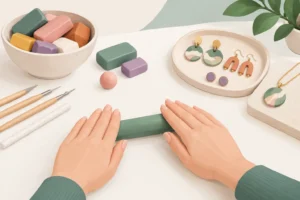
Glass beads, many natural stones, ceramic beads, and quality polymer clay components can also handle a brief splash. Polymer clay is durable once properly cured, and a carefully applied finish may offer extra surface protection. Still, polymer clay jewelry should not be treated like pool gear. Repeated soaking, harsh soap, chlorine, and rubbing against wet towels can dull a finish or weaken attached findings.
Nylon cord and some synthetic threads can be more water-friendly than cotton or silk. Yet even durable cord needs secure knots and quality finishing, since moisture can work its way into tiny spaces where knots, crimps, and adhesives meet.
Materials That Need a Little More Protection
Many handmade jewelry materials are chosen for their warmth, texture, or one-of-a-kind character. Those qualities often come with a request: please keep me dry.
Wood, leather, paper beads, fabric, silk thread, untreated natural fibers, and certain porous stones can absorb water. When that happens, colors may fade, fibers can stretch, wood can swell or crack, and natural materials may lose their original finish. Even beads that look sturdy may have painted or coated surfaces that do not love frequent water exposure.
Adhesive is another detail worth considering. Handmade statement earrings, layered clay designs, and decorative charm pieces may use a jewelry-safe adhesive along with mechanical attachments. A high-quality adhesive can be very reliable for normal wear, but long soaks and heat can weaken it over time. This is especially true around shower steam, hot tubs, and saltwater.
Stretch bracelets deserve special attention. Elastic cord is wonderfully comfortable and easy to wear, but soap, sunscreen, body oils, and repeated water exposure can shorten its life. If you love wearing beaded bracelets every day, slipping them off before bathing is one of the simplest ways to protect them.
Water Is Not the Only Thing to Watch
A clear shower is not always the biggest concern. The products that travel with water are often tougher on jewelry than water itself. Shampoo, conditioner, hand soap, pool chlorine, saltwater, lotion, hair spray, perfume, and cleaning products can all leave a film or cause discoloration.
Chlorine is particularly hard on many metals and finishes. Saltwater can leave residue in tiny crevices, around bead holes, and inside clasps. Sunscreen may dull metal shine or create buildup on colorful beads. Even perspiration can affect plated metals over time, especially in humid weather or during workouts.
This does not mean you need to save your jewelry for special occasions. It simply means matching the piece to the moment. Your colorful polymer clay earrings may be perfect for brunch, a birthday party, or a sunny afternoon out. Your delicate beaded necklace may be happiest away from the beach, gym, and shower.
How to Care for Handmade Jewelry Around Water
The easiest rule is also the kindest one: put your jewelry on after your beauty routine and take it off before water-heavy activities. It takes only a moment and can add years to a favorite piece.
If your jewelry does get wet, gently pat it dry with a soft, lint-free cloth. Do not use a hair dryer or place it near a heater, since high heat can affect adhesives, elastic, polymer clay, and certain coatings. Let it dry completely before storing it away.
For everyday care, these small habits make a meaningful difference:
- Remove handmade jewelry before showering, swimming, washing dishes, or exercising.
- Apply lotion, perfume, hair products, and sunscreen before putting jewelry on.
- Wipe metal findings and beads with a soft dry cloth after wearing them.
- Store pieces separately or in small pouches to prevent scratching and tangling.
- Keep jewelry out of humid bathrooms, where lingering moisture can encourage tarnish.
A jewelry box, drawer organizer, or soft pouch is more than storage. It is a gentle resting place for the little details that make handmade designs special.
What If a Piece Gets Wet?
Don’t panic over a splash. Most well-made jewelry will not be ruined by washing your hands while wearing a bracelet or getting caught in a quick rain shower. The key is to dry it promptly and avoid making water exposure a regular habit.
If a piece feels sticky, looks cloudy, or develops residue after contact with soap, sunscreen, or saltwater, wipe it with a lightly damp cloth and then dry it thoroughly. Avoid soaking it or using harsh jewelry cleaners unless you know they are suitable for every material in the piece. A cleaner that works beautifully on solid gold may be far too strong for polymer clay, plated metal, dyed beads, or delicate stringing.
If an earring post loosens, a charm shifts, or elastic starts to look tired, set the piece aside rather than pushing it through another wear. Handmade jewelry can often be repaired or restrung, and addressing a small issue early helps protect the design.
Can polymer clay jewelry be worn in water?
Polymer clay itself is generally durable after curing, but handmade polymer clay jewelry is usually not meant for repeated showers or swimming. The clay may be fine, while the finish, glue, metal hardware, or decorative details are not. Treat it as water-resistant for occasional accidental contact, not waterproof for daily water wear.
Are beaded earrings safe to wear in the rain?
A brief rain shower is usually no problem, especially when earrings use glass beads and quality metal findings. Pat them dry afterward. Be extra careful with painted beads, wood, fabric, paper beads, and plated components, which can be more sensitive to moisture.
Can I make handmade jewelry more waterproof?
Choosing water-friendly components from the start makes the biggest difference. Stainless steel findings, durable cord, glass beads, securely cured polymer clay, and strong mechanical connections can all improve water resistance. Sealants can help on some surfaces, but they are not a magic shield and should be tested carefully before being used on a finished design.
Handmade jewelry carries the touch of the maker in every bead, curve, color choice, and carefully finished detail. Wear your favorite pieces with joy, then give them the little bit of protection they deserve. That is how a meaningful accessory stays ready for the next outfit, celebration, gift, or confidence-boosting moment.