That favorite pair should make you feel a little more like yourself, not leave your earlobes itchy, red, or sore by lunchtime. When earrings irritate ears, the issue is often not the style of the earring at all. It is usually a reaction to the metal, friction from the post, a buildup of product, or ears that simply need a break.
The good news is that sensitive ears do not mean you have to give up colorful statement pieces, tiny everyday studs, or the joy of handmade jewelry. A little detective work can help you pinpoint what is bothering your ears and choose pieces that feel as good as they look.
Why Earrings Irritate Ears
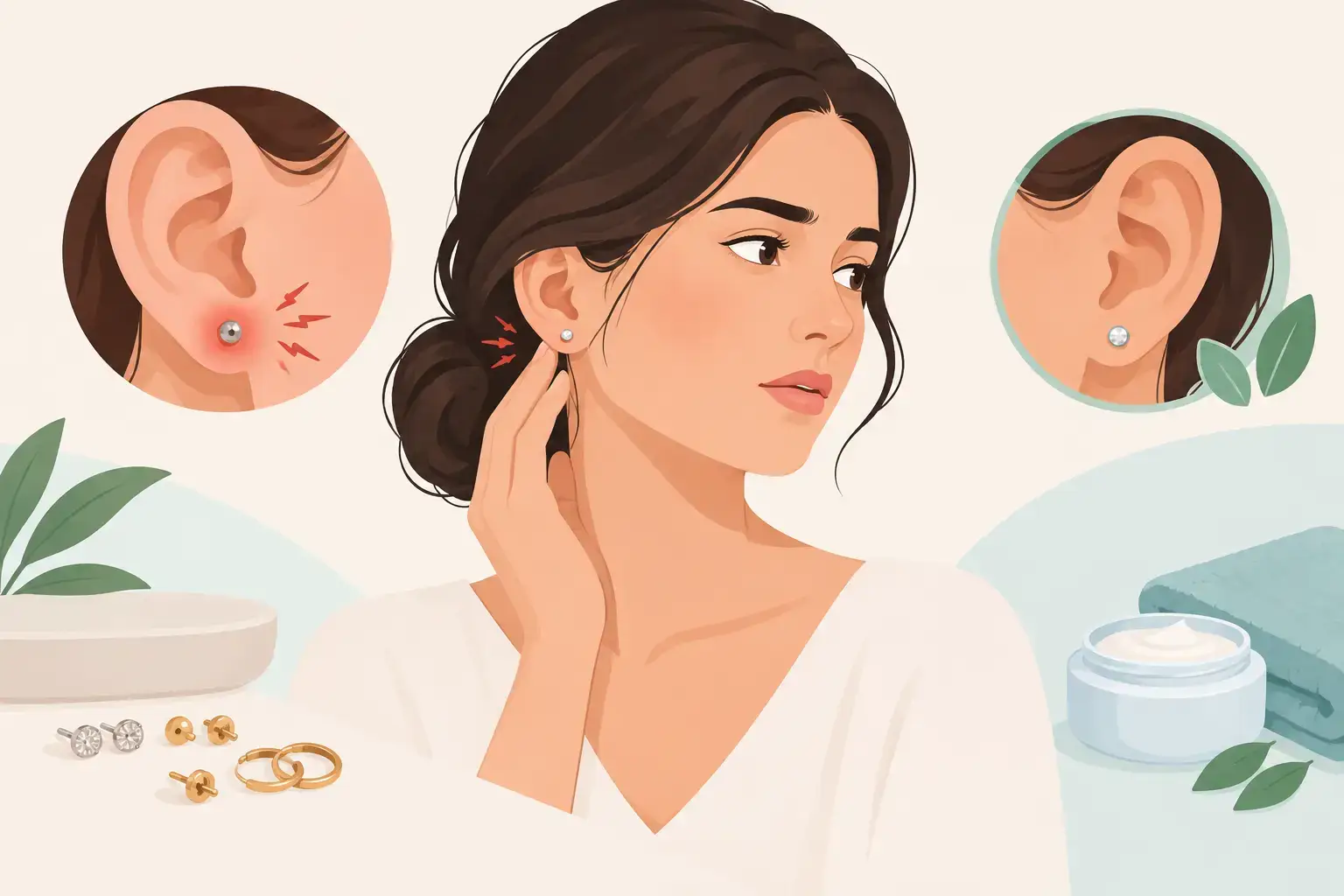
Ear irritation can look different from person to person. You may notice itching shortly after putting earrings in, a warm or burning feeling, flaky skin around the piercing, swelling, or a clear discharge. Sometimes the discomfort happens only with certain pairs. That clue matters.
The most common cause is contact dermatitis, which is a skin reaction triggered by something touching the skin. In earrings, nickel is often the culprit. Nickel is frequently used in metal alloys and plating because it is durable and affordable, but many people are sensitive to it. Even jewelry that looks gold or silver on the outside may have a base metal underneath that causes a reaction once plating wears down.
Sensitivity is not the only possibility. A heavy earring can pull on a piercing and create tenderness, especially if the hole is newer or has stretched over time. Posts with rough spots, bent backs, or a tight clutch can rub the skin. Perfume, hair spray, makeup, shampoo, and skincare residue can also collect around the post and irritate an otherwise comfortable piercing.
There is a meaningful difference between a mild sensitivity and a possible infection. If your earlobe is very swollen, hot, intensely painful, producing pus, or redness is spreading beyond the piercing, remove the earring only if it can be done easily and contact a healthcare professional. New piercings need especially careful guidance, since taking jewelry out at the wrong time can allow the hole to close around an infection.
The Metals That Tend to Be Kinder to Sensitive Ears
No material is perfect for every person, but choosing quality earring findings makes a real difference. If you know or suspect that nickel is your trigger, look for jewelry described as nickel-free and pay attention to the post, hook, and backing, not just the decorative portion of the design.
Titanium is a favorite for highly sensitive ears because it is lightweight and widely tolerated. Implant-grade titanium is particularly useful for fresh or easily irritated piercings. Niobium is another lightweight option that is often well tolerated and can be anodized in beautiful colors without a traditional plated finish.
Solid gold can be a lovely choice, but the karat matters. Pure 24-karat gold is soft, so wearable gold jewelry is mixed with other metals. Higher-karat gold may contain less of the metals that bother you, though that is not a guarantee. If you react to gold jewelry, ask about the full alloy rather than assuming every gold-tone piece will feel the same.
Sterling silver works beautifully for many wearers, but it can tarnish and may not suit everyone with very reactive skin. Stainless steel is durable and affordable, yet some alloys can contain nickel. Surgical-grade stainless steel is often better tolerated, but a true nickel allergy may still call for titanium or niobium instead.
For handmade earrings with polymer clay, beads, fabric, or lightweight boho details, remember that the finding is the part that spends hours against your skin. Swapping a hook, post, or ear wire for a sensitive-ear-friendly option can let you enjoy the design without the discomfort.
Plated Jewelry Has a Trade-Off
Gold-plated and silver-plated earrings can be a wonderful budget-friendly way to enjoy a look you love. The trade-off is that plating naturally wears over time, especially with frequent wear, moisture, sweat, and perfume. When the layer thins, the base metal can come into contact with your skin.
That does not make plated jewelry a poor choice. It simply means it benefits from thoughtful care and may be best reserved for shorter wear if your ears are reactive. A favorite pair can also be refreshed by replacing the findings when needed.
What to Do When Your Ears Feel Irritated
First, give your ears a little breathing room. Remove the pair that seems to be causing trouble and avoid putting another pair in immediately if the skin is itchy, raw, or swollen. Gently wash the area with mild soap and water, then pat it dry with a clean towel. Harsh alcohol or peroxide can dry and further irritate the skin, so they are not always the gentle answer people expect.
Clean the earrings before wearing them again, especially the posts, hooks, and backs. A soft cloth and a jewelry-safe cleaner suited to the material are usually enough. Be sure the earrings are completely dry before they go back in your ears.
If you are trying to identify the cause, wear a trusted pair made from a material you have tolerated before. Keep your test simple. Skip fragrance on your neck and ears, avoid heavy hair products near the piercing, and wear the earrings for a few hours rather than all day. If your ears stay calm with one material and flare with another, you have useful information for future shopping.
Do not force an earring through a piercing that feels tight or tender. This can create tiny tears that make irritation worse. For a healed piercing that has become difficult to use, a professional piercer can help assess the situation. For a new piercing, follow the aftercare instructions from your piercer instead of experimenting with multiple products.
Small Habits That Help Earrings Feel Better
Sensitive-ear comfort often comes down to the little things. Put earrings in after your lotion, sunscreen, makeup, and hair products have had a moment to settle. Take them out before showering, swimming, or sleeping unless a piercing professional has told you otherwise for a healing piercing.
Store earrings somewhere dry and clean. Humidity can speed up tarnish, and tossing pairs loose into a makeup bag invites residue, scratches, and bent posts. Before an event or a long day out, check that the back is secure but not squeezing your earlobe. A backing that is too tight can make even a lightweight earring feel uncomfortable.
Weight matters, too. A dramatic beaded dangle may look fabulous for dinner, photos, or a celebration, but a lighter pair may be the better choice for a full workday. There is no rule that says every earring must work for every occasion. Building a small rotation of comfortable everyday favorites and expressive special-occasion pieces is both practical and fun.
Choosing Handmade Earrings With Comfort in Mind
Handmade jewelry gives you an advantage: details are part of the conversation. When you shop artisan-made pieces, look for clear material descriptions and do not be shy about asking what the ear wires, posts, and backs are made from. A thoughtful maker understands that the smallest component can decide whether someone reaches for a pair again and again.
At Scott Jewelry Design, the heart of handmade style is individuality, and comfort belongs in that picture. A colorful clay shape, a bright bead, or a graceful boho silhouette should feel like a joyful finishing touch, not something you spend the day wishing you could remove.
If a design captures your heart but its findings are not right for your ears, ask whether an alternative is possible. In many handmade designs, changing hooks or posts is a simple adjustment. The answer depends on the construction, the weight of the piece, and the maker’s materials, but it is always worth asking.
When It Is Time to Get Medical Advice
Most minor irritation improves once you stop wearing the offending earrings and treat the skin gently. Still, persistent symptoms deserve attention. See a healthcare professional or dermatologist if irritation keeps returning, you cannot identify a trigger, or you develop significant swelling, pain, warmth, bleeding, discharge, or a rash that spreads.
A dermatologist can help distinguish a metal allergy from eczema, infection, or another skin condition. Patch testing may identify specific allergens, which takes the guesswork out of choosing future jewelry.
Your jewelry box should be a place of color, creativity, and little sparks of confidence. Listen to your ears, choose materials with care, and let comfort be part of what makes a pair truly beautiful.