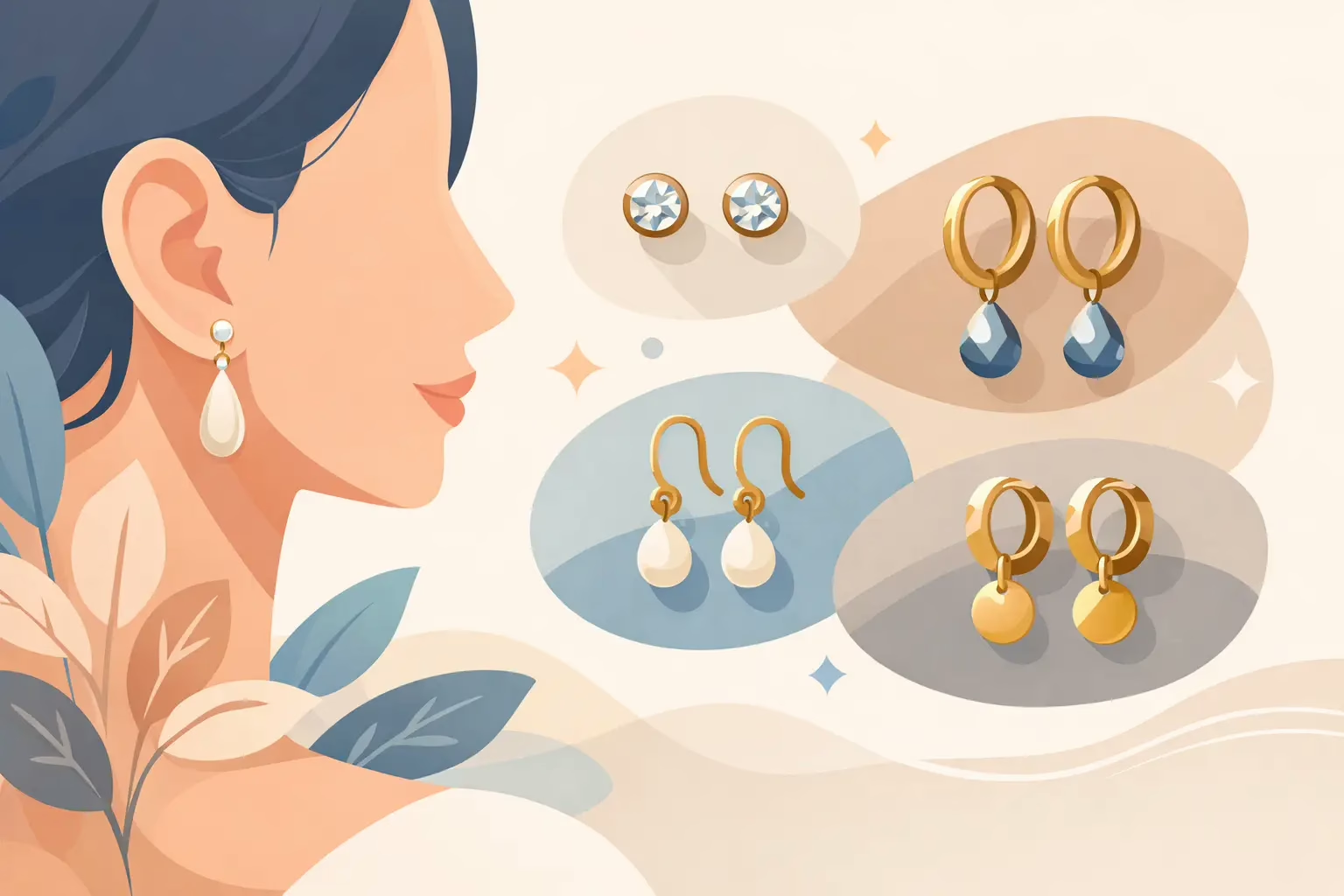
That little sting when you put on a pair of earrings can ruin the whole moment. If you have ever taken off a cute pair by lunchtime because your ears felt hot, itchy, or sore, you know finding the best earrings for sensitive ears is not about trends alone. It is about comfort, confidence, and being able to wear something beautiful without paying for it later.
Sensitive ears are more common than many people realize, and they do not always react the same way. One person may only have trouble with cheap metal posts. Another may react to certain plating, heavy earrings, or even the friction from an earring back. That is why choosing earrings for sensitive ears is part material science, part fit, and part personal trial and error.
What usually makes ears react
For many people, the biggest issue is nickel. It is a common metal used in jewelry alloys, and it is one of the most frequent causes of skin irritation. Even small amounts can trigger redness, itching, or tenderness. If your ears flare up quickly after wearing fashion jewelry, nickel is a likely culprit.
But nickel is not the only possibility. Sometimes the problem is low-quality plating that wears away and exposes a base metal underneath. Sometimes it is a post that feels rough or an earring that is simply too heavy for everyday wear. If your piercing is newer or tends to be delicate, pressure and movement can make irritation worse even when the metal itself is relatively gentle.
That is why the best choice is rarely just about finding a pretty design. It is about knowing what touches your skin and how that earring behaves while you wear it.
Best earrings for sensitive ears: materials that matter
If you want a better experience, start with the materials. This is where comfort usually begins.
Titanium is often the safest bet
Titanium is lightweight, durable, and widely loved by people with sensitive skin. It is commonly recommended because it is less likely to trigger a reaction than mixed metals. If your ears react to almost everything, titanium is often one of the first materials worth trying.
Its biggest advantage is wearability. Titanium earrings can be worn for long periods without the heaviness some statement styles bring. The trade-off is that purely titanium designs can sometimes feel more minimal in appearance unless paired with beads, clay, or other handmade elements.
Niobium is another gentle option
Niobium does not get talked about as often, but it deserves attention. It is also considered a skin-friendly metal and is often used in artisan jewelry because it can be colored beautifully without relying on questionable coatings. For someone who wants comfort and a bit of creative flair, niobium can be a lovely middle ground.
Solid gold can work well, with some caveats
Gold is often associated with sensitive-ear jewelry, but the details matter. Solid 14k or higher gold is usually a better choice than gold-plated pieces because the metal touching your skin is more consistent. Lower-karat gold contains more alloy metals, which can sometimes bother very reactive ears.
This is one of those it-depends situations. Some people wear 14k gold daily with no issue. Others need to be careful about the alloy mix. If your ears are extremely sensitive, do not assume all gold is automatically safe.
Sterling silver can be good, but quality matters
Sterling silver is a favorite for handcrafted jewelry because it is classic, versatile, and more affordable than gold. Many people with sensitive ears do well with it, especially when it is high quality and properly finished. Still, sterling silver can tarnish, and some silver-colored earrings are only silver-plated over other metals.
If silver works for you, great. If it has caused irritation before, it may be worth checking whether you wore true sterling silver or something with a mystery-metal core.
Surgical stainless steel is mixed for some people
You will often see surgical stainless steel recommended for sensitive ears. For many wearers, it works perfectly fine. For others, especially those with a strong nickel allergy, it can still be hit or miss because some stainless steel alloys contain trace nickel.
It can be a practical option, but it is not the most universal answer. If you already know nickel causes trouble, titanium or niobium may be a safer starting point.
The style of earring matters too
Even the gentlest metal can feel uncomfortable if the style is wrong for your ears.
Stud earrings are often the easiest place to start. They tend to move less, feel more secure, and put less strain on the piercing. Small handmade studs with quality posts can be ideal for daily wear, especially if your ears are sensitive and you still want something cheerful and expressive.
Lightweight dangles can also work beautifully. The key word is lightweight. If you love color, texture, and artisan detail, materials like polymer clay, seed beads, resin accents, or wood can create statement looks without the pull of heavy metal components. This is one reason handmade jewelry can be such a lovely option. A design can be bold and artistic without feeling like a workout for your earlobes.
Hoops are a bit more personal. Some people find thin, smooth hoops comfortable. Others notice that hoops move around more and create friction. If hoops tend to irritate you, smaller sizes and lighter weights may help.
Look closely at posts, hooks, and backs
This is the part many shoppers miss. The decorative front of the earring may be harmless, but the post, ear wire, or backing is what actually sits against your skin.
If you are shopping for earrings for sensitive ears, check what the post or hook is made from, not just the overall description. An earring with a clay charm or beaded drop may still use a metal component that does not agree with your skin.
Earring backs matter too. Tight backs can squeeze the ear and trap moisture, while rough or poorly finished backs can cause rubbing. Silicone or soft comfort backs can help some wearers, especially for studs. Others prefer simple metal backs in skin-friendly metals because they feel more secure. Again, it depends on your ears and how long you plan to wear the earrings.
A few signs of better quality
When you are trying to avoid irritation, quality tends to show up in small details. Smooth posts, clean finishes, clearly labeled materials, and thoughtful construction all matter. Handmade jewelry can be especially appealing here because there is often more care in material selection and assembly.
That does not mean every handmade pair is automatically right for sensitive ears. It means you have a better chance of finding earrings made with intention rather than mass-produced shortcuts. When a maker is transparent about posts, hooks, and metal choices, that is a good sign.
If you love artistic designs but need comfort first, look for earrings that combine expressive materials with skin-conscious findings. At Scott Jewelry Design, that balance between creativity and wearability is part of what makes handmade pieces feel special.
How to test new earrings without regretting it
If your ears react easily, you do not need to swear off new styles forever. You just need a gentler approach.
Start by wearing a new pair for a short window at home instead of an all-day outing. A couple of hours can tell you a lot. If your ears stay calm, you can gradually increase wear time. This is especially helpful if you are trying a new metal.
Keep your ears clean, and make sure the earrings are clean too. Buildup from skincare, hair products, or old residue on earring posts can make irritation worse. Sometimes what seems like a metal allergy is partly a cleanliness issue.
It also helps to give your ears a break. If a pair feels slightly irritating, do not force it because it is pretty. Sensitive ears usually get less forgiving, not more, when pushed.
Best earrings for sensitive ears if you love statement style
Sensitive ears do not mean you have to settle for tiny, plain basics forever. You can still wear color, texture, and personality. The trick is choosing statement earrings that get their impact from design instead of weight or questionable metal.
Polymer clay earrings are a great example. They can be oversized in shape but surprisingly light, which makes them easier on tender ears. Beaded earrings can also feel comfortable when they are thoughtfully constructed with quality hooks or posts. If you love boho style, look for handcrafted pairs that use airy materials and skin-friendly hardware rather than dense metal-heavy builds.
This is where personal style gets fun again. Once you know which metals your ears tolerate, you can focus on silhouettes, colors, and details that feel like you.
When to be extra cautious
If your piercings are fresh, healing, or recently irritated, even a usually safe earring may feel wrong. In those moments, simpler is better. Stick with metals you already trust, avoid heavy designs, and wait until your ears are fully calm before experimenting.
And if your ears react severely, with swelling, oozing, or persistent pain, it may be more than basic sensitivity. A dermatologist or piercer can help you sort out whether you are dealing with an allergy, irritation, or a piercing issue.
The right earrings should feel like a small joy, not a compromise. When you find materials and styles that respect your skin, getting dressed becomes easier, and wearing something handmade and expressive feels even better. Your ears deserve beauty that feels as good as it looks.