A beautiful beaded piece can look effortless, but the materials behind it make all the difference. This guide to beaded jewelry materials is here to help you understand what gives a bracelet its drape, what makes earrings feel light enough for all-day wear, and why some necklaces feel extra special the moment you put them on.
If you love handmade jewelry, knowing a little about materials makes shopping more personal and more confident. It also helps if you make jewelry yourself or simply want to choose gifts that feel thoughtful, lasting, and full of character. Not every material is right for every design, and that is part of what makes handcrafted jewelry so interesting.
Why beaded jewelry materials matter
In artisan jewelry, materials are never just background details. They shape the look, weight, texture, price, and personality of the finished piece. A strand of glass beads catches light differently than acrylic. Natural stone brings earthy variation that feels one of a kind. Polymer clay can add bold color and playful shapes without making a design heavy.
The right material choice also affects comfort and wearability. A statement necklace can still feel easy to wear if the beads are balanced well. Earrings can look dramatic without pulling too much if lightweight elements are used thoughtfully. That mix of beauty and practicality is where handmade design really shines.
A guide to beaded jewelry materials by category
When people hear the word beads, they often picture one simple thing. In reality, there is a whole world of options, and each one brings its own mood.
Glass beads
Glass beads are loved for their color, shine, and versatility. They can be smooth, faceted, frosted, translucent, or richly opaque. Some feel polished and elegant, while others have a playful, artsy look that fits boho styles beautifully.
Glass is often a great middle ground because it can look elevated without becoming too delicate or expensive. The trade-off is weight. In earrings especially, larger glass beads can become heavier than they appear, so good design matters.
Natural stone beads
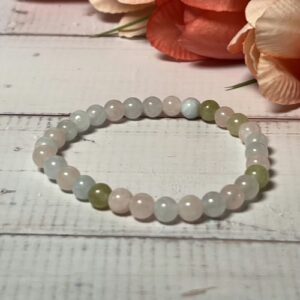
Natural stone beads have a special kind of presence. They bring organic color variation, little markings, and subtle texture that machine-perfect materials cannot really imitate. That is part of their charm. No two stones are exactly alike, which makes each piece feel more personal.
Stone can range from soft and serene to bold and dramatic depending on the cut and color. It is a favorite for women who want jewelry that feels grounded, expressive, and a little closer to nature. The main consideration is weight and, sometimes, cost. Larger stone beads can make necklaces and bracelets feel substantial, which some people love and others prefer in smaller doses.
Acrylic and resin beads
If you want color, size, and fun without too much weight, acrylic and resin beads are worth noticing. These materials are often used in bright statement pieces because they can create volume without the heaviness of glass or stone.
They are especially helpful in larger earrings and chunky necklaces. The trade-off is that they usually give a more casual or fashion-forward look than natural stone or fine glass. That is not a downside if the design is meant to feel cheerful, bold, and artistic.
Metal beads and spacers
Metal elements often do quiet but important work in beaded jewelry. They break up color, add shine, create contrast, and help a design feel finished. Sometimes a tiny spacer bead is what keeps a whole bracelet from looking flat.
Metal beads can lean rustic, vintage-inspired, modern, or polished depending on the finish. They can also affect skin sensitivity, which is why metal choice matters just as much as bead choice.
Wood, shell, and other natural textures
For a relaxed, earthy style, wood and shell bring warmth that glossy materials cannot. Wood beads often feel light and organic, while shell can add a soft iridescence or beachy touch. These are beautiful options for boho-inspired jewelry and for anyone who likes texture in their accessories.
Natural materials can be more sensitive to moisture, lotions, and rough handling, so they may need a little more care. Still, their character is hard to replace.
Polymer clay components
Polymer clay has become a favorite in handmade jewelry for good reason. It allows for color stories, shapes, and patterns that feel joyful and original. It can be sculpted, marbled, textured, or paired with beads for a mixed-media look.
One of its biggest strengths is comfort. Polymer clay can create statement earrings that stay surprisingly lightweight. When made well, it brings both artistry and wearability to a design.
The materials beyond the beads
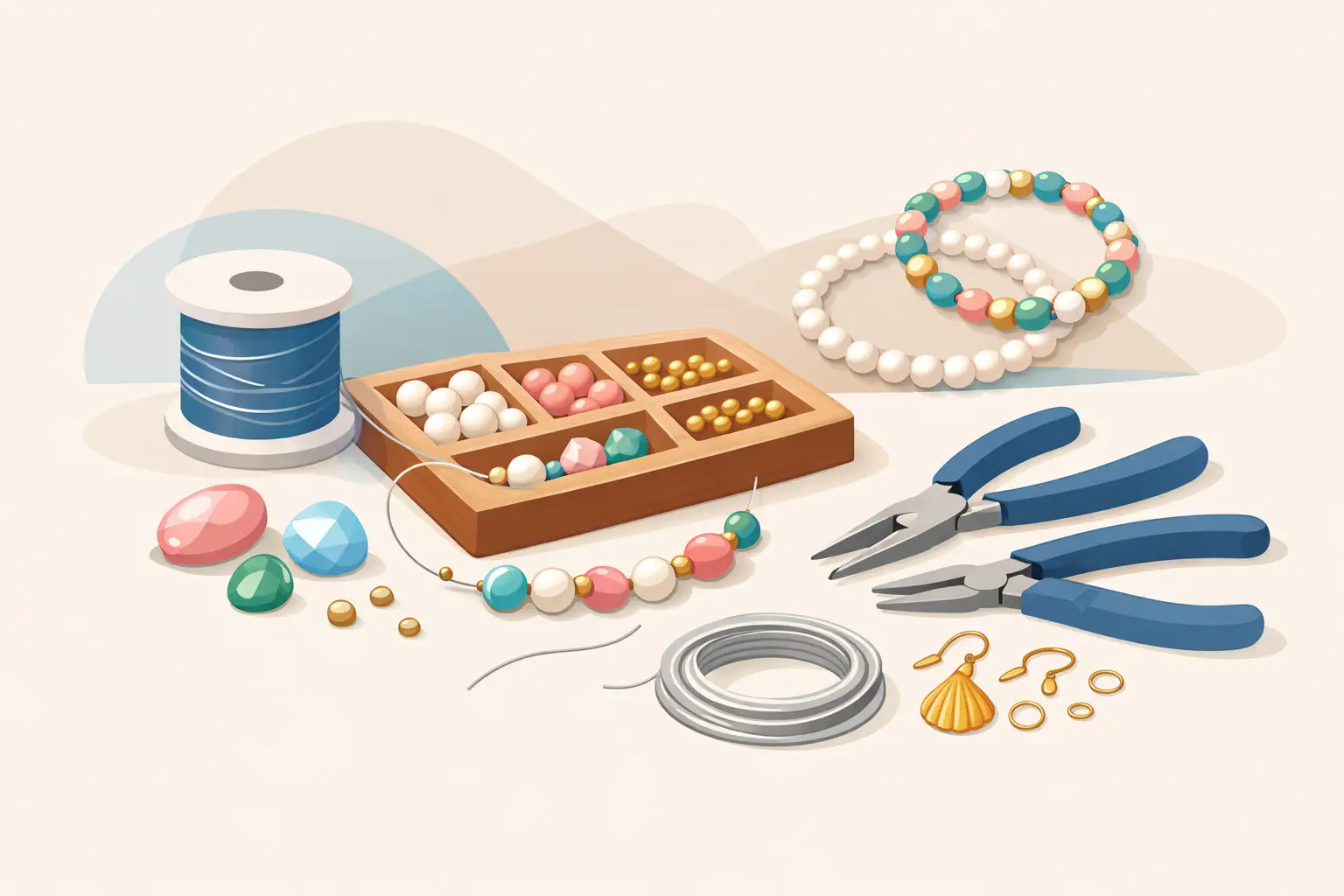
A good guide to beaded jewelry materials should never stop at the beads themselves. The supporting materials are what hold everything together, both literally and visually.
Wire and headpins
Wire is often the hidden structure in earrings, pendants, and wrapped details. It can be used for stringing, shaping, and creating links between beads. Headpins and eye pins let individual beads become dangles, charms, and layered design elements.
Different wire types offer different results. Softer wire is easier to shape, while stronger wire holds form better. For the customer, this mainly shows up as durability and finish. A thoughtfully made wire-wrapped piece should feel secure, not flimsy.
Stringing materials and cord
Bracelets and necklaces can be strung on several materials, including beading wire, elastic cord, nylon thread, or other specialty cords. Each one suits a different style.
Beading wire is strong and commonly used for more structured designs. Elastic cord is popular for easy-on bracelets and a comfortable fit, though quality matters because stretch materials can wear down over time. Cord can also add softness and a more casual, handmade look. The best choice depends on the design and how the piece is meant to be worn.
Findings and closures
Findings include clasps, jump rings, earring hooks, posts, crimps, and chain extenders. They may be small, but they have a big effect on comfort and trust. A necklace clasp should feel secure without being hard to use. Earring hooks should be smooth and comfortable. Jump rings should be closed properly so beads and charms stay where they belong.
This is one of those details people may not notice right away, but they definitely feel it when it is done well.
Choosing the right metal finish
Metal finish can completely change the mood of beaded jewelry. Silver-tone often feels fresh and versatile. Gold-tone adds warmth and richness. Copper and bronze can bring a more vintage or earthy character.
For sensitive ears or skin, materials matter even more. Some shoppers do best with hypoallergenic options such as stainless steel, surgical steel, or certain plated components designed for sensitive wearers. If you know you react to some metals, it is worth checking before you buy. Pretty should still be comfortable.
How materials affect style and price
Handmade jewelry pricing is not just about looks. Material choice, labor, and design complexity all play a role. Natural stones, specialty glass, higher-quality metal components, and detailed hand-assembly usually increase the value of a piece. That does not mean simpler materials are lesser. It just means every design balances beauty, function, and budget in its own way.
This is also why affordable handmade jewelry can still feel special. A creative maker can combine materials thoughtfully to create something expressive and gift-worthy without pushing the price out of reach. That balance is part of the artistry.
What to look for when buying beaded jewelry
When you shop for beaded pieces, pay attention to more than color. Look at scale, weight, texture, and finishing details. If earrings are large, ask yourself whether the material looks lightweight enough for comfort. If a bracelet is stretch style, check whether the overall craftsmanship looks neat and secure. If a necklace uses mixed materials, notice whether they feel intentional together rather than crowded.
It also helps to think about your lifestyle. If you want everyday pieces, lightweight materials and easy-care finishes may be best. If you want a standout accessory for special events or gifting, you might enjoy richer textures, statement shapes, or more detailed combinations. There is no single best material. There is only the best fit for the moment, the outfit, and the person wearing it.
At Scott Jewelry Design, that love of materials is part of the handmade story. Every bead, finding, and color pairing has the chance to become more than decoration. It becomes a little expression of mood, personality, and style.
The nicest thing about learning materials is that it changes how you see jewelry. You start noticing the sparkle of glass, the earthy soul of stone, the ease of lightweight clay, and the quiet strength of a well-made clasp. And once you notice those details, finding a piece that feels truly like you gets a whole lot easier.