


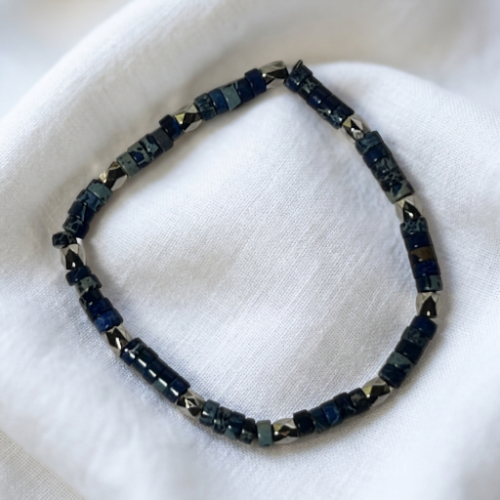
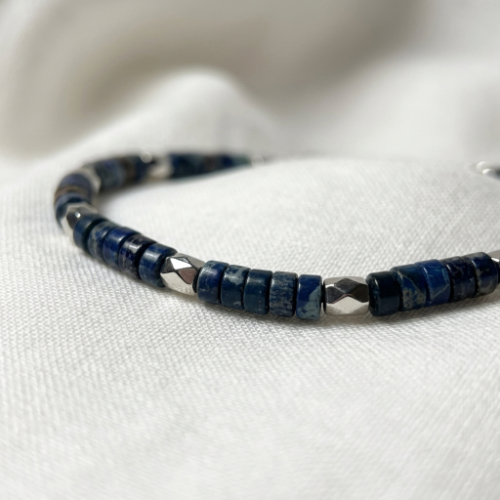
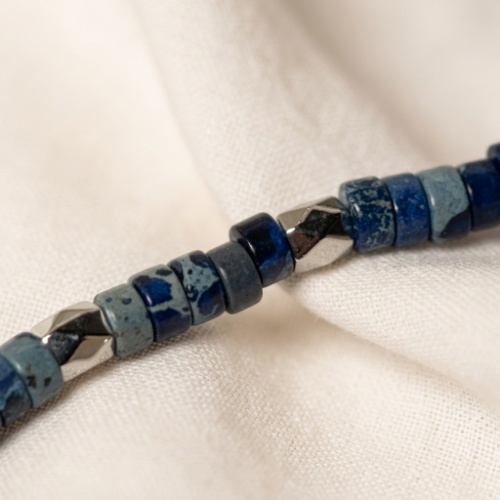
Natural Blue Serenity Bracelets
$15.00
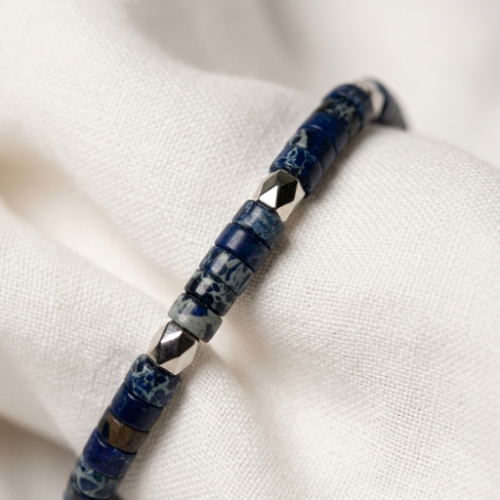
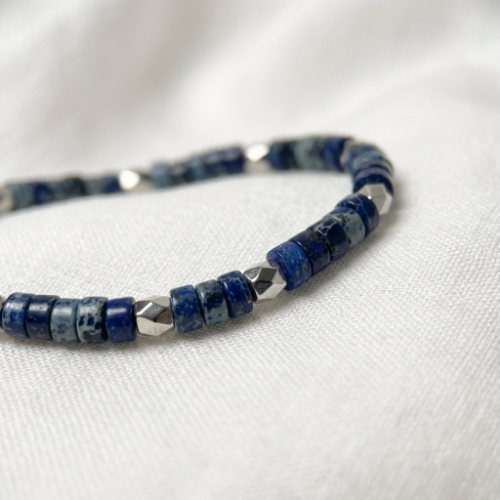
These Natural Blue Serenity Bracelets are composed of Natural Blue Sea Sediment Square Cylinder Stone Round Beads, silver-plated spacer beads and black elastic cord
Description
Dive into serenity with our Natural Blue Serenity Bracelets! Each piece is crafted with stunning Natural Blue Sea Sediment Square Cylinder Stone Round Beads, bringing a touch of the ocean straight to your wrist. The beautiful blue hues remind us of calm waters and peaceful vibes, making it the perfect accessory for any outfit. Plus, those silver-plated spacer beads? Total game-changer! They add just the right amount of sparkle to elevate your style.
But it’s not just about looks! These bracelets are designed with a comfy black elastic cord, ensuring they fit just right on any wrist. Whether you’re heading to a beach bonfire, a brunch date, or just lounging at home, this bracelet is your new go-to. Plus, they make for a thoughtful gift for someone special—because who doesn’t love a little piece of nature’s beauty?
So, what are you waiting for? Treat yourself or a friend to some ocean-inspired bliss! Click the link to grab yours now and let the good vibes roll.
Additional information
| Sizes | 6”, 6.5", 7", 7.5” |
|---|---|
| Colors | Blue, Silver |
| Materials | Natural Blue Sea Sediment Square Cylinder Stone Round Beads, silver-plated spacer beads, black elastic cord |
| Care | Sea sediment stone beads (often called Sea Sediment Jasper or Impression Jasper) are a captivating material known for their vibrant colors and unique patterns, resembling a tranquil ocean floor. However, it's essential to understand their properties to properly care for them and ensure their longevity. Understanding sea sediment stone properties Cleaning sea sediment stone jewelry Wearing sea sediment stone jewelry Storing sea sediment stone jewelry Essential oils and sea sediment stone By following these specific care instructions, you can ensure that your multicolor sea sediment stone jewelry remains beautiful and vibrant for many years to come. |



Reviews
There are no reviews yet.