


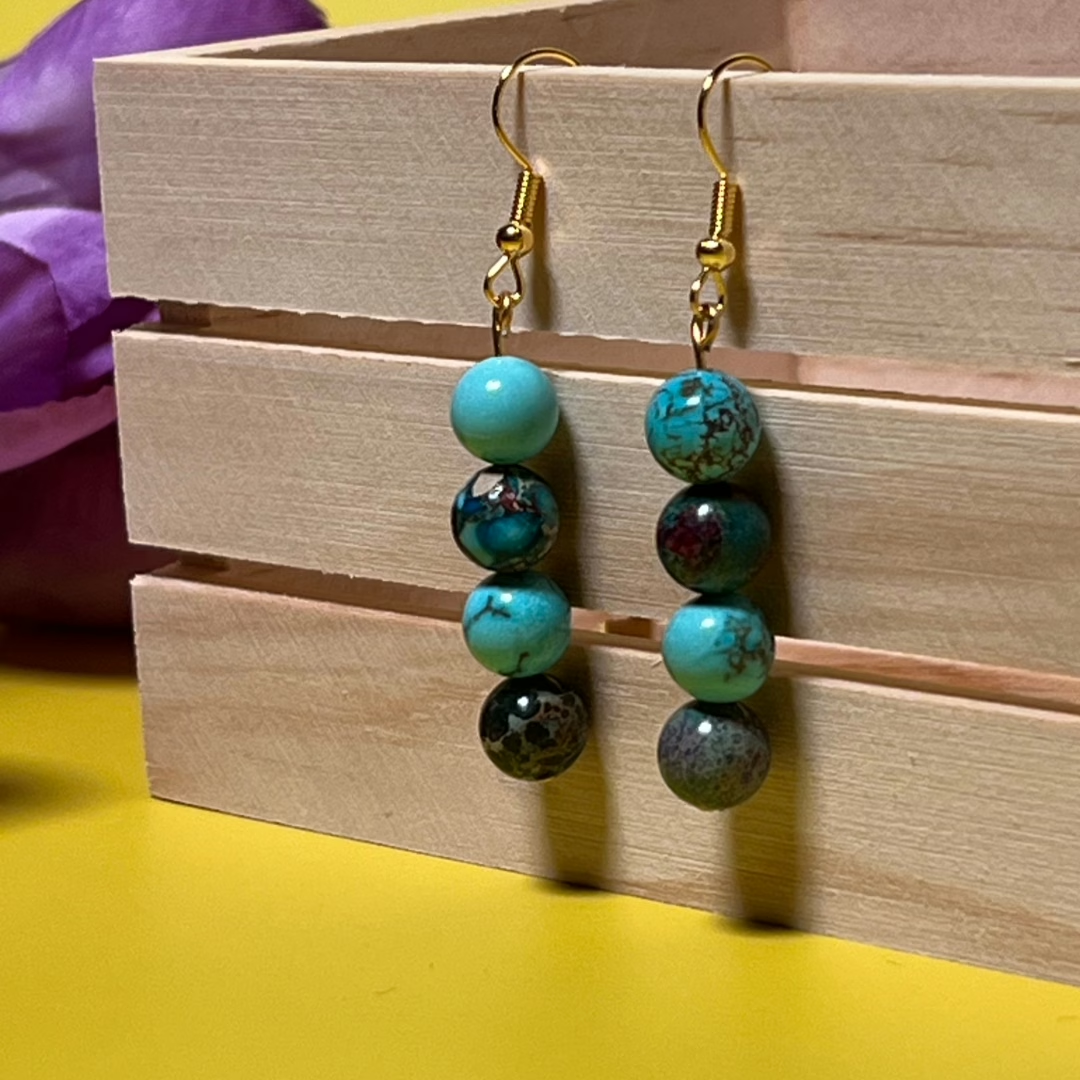
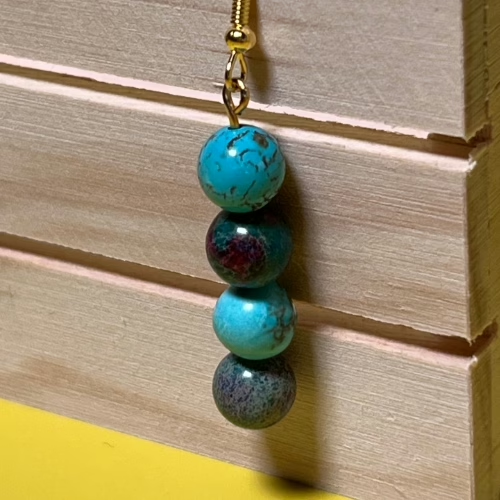
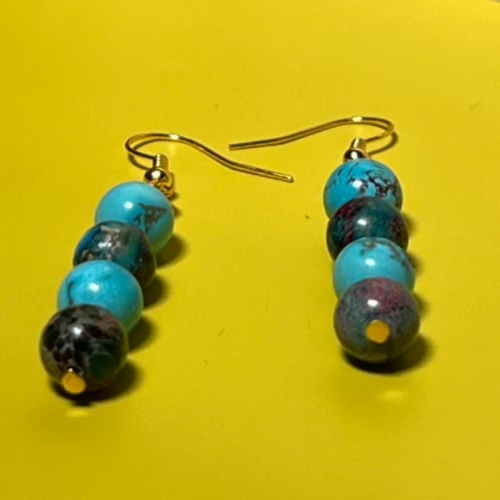
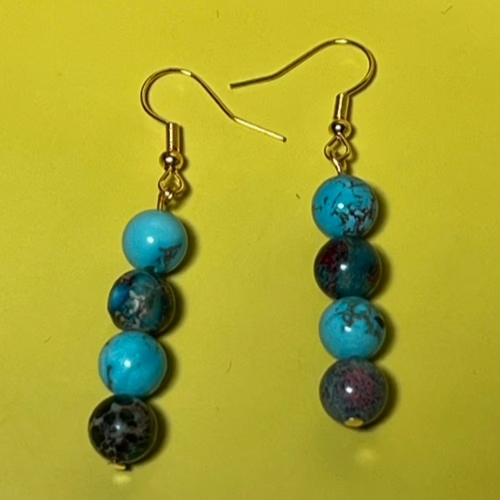
Turquoise Stone Bead Earrings
$20.00
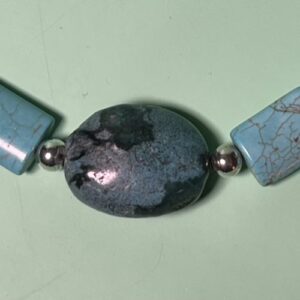
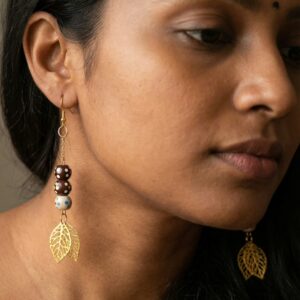
These Turquoise Stone Bead Earrings are composed of Natural Turquoise Stone Beads, Natural African Turquoise Stone Beads, and gold-plated ear wires
2 in stock
Description
Dazzle your ears and elevate your style with our stunning Turquoise Stone Bead Earrings! These beauties are not just accessories; they re a conversation starter, a mood lifter, and your new best friends. Crafted with a combination of Turquoise Stone Beads and Natural African Turquoise Stone Beads, these earrings are here to remind you that life is too short for boring jewelry!
Imagine strutting into a room, and all eyes are on you no, it s not just your charm (though we know that s part of it). It s the way those gorgeous turquoise beads catch the light and turn heads! With gold-plated ear wires that add a touch of elegance, these earrings are perfect for everything from brunch with the squad to a night out dancing. Why settle for ordinary when you can shine like the star you are?
So, what are you waiting for? Don t let your ears go naked! Treat them to a little luxury and grab a pair of our Natural Turquoise Stone Bead Earrings today. Trust us, your accessory game will thank you, and so will your ears!
Additional information
| Size | 2 inches |
|---|---|
| Color | Turquoise |
| Materials | Natural Turquoise Stone Beads, Natural African Turquoise Stone Beads, and gold-plated ear wires |
| Care | Your jewelry features a fascinating combination of turquoise and African turquoise beads, each with distinct properties requiring specific care to maintain their beauty and integrity. Genuine turquoise is a relatively soft, porous hydrous gemstone prized for its striking blue-green color. African turquoise, on the other hand, is a type of jasper, a more durable form of chalcedony, often dyed to enhance its resemblance to turquoise. Cleaning Protecting and storing Regular Inspections: By following these care instructions, you can help ensure that your turquoise and African turquoise bead jewelry remains beautiful and vibrant for many years to come. |


Reviews
There are no reviews yet.