

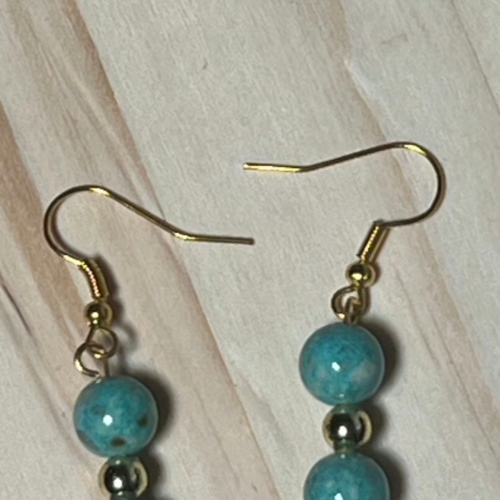
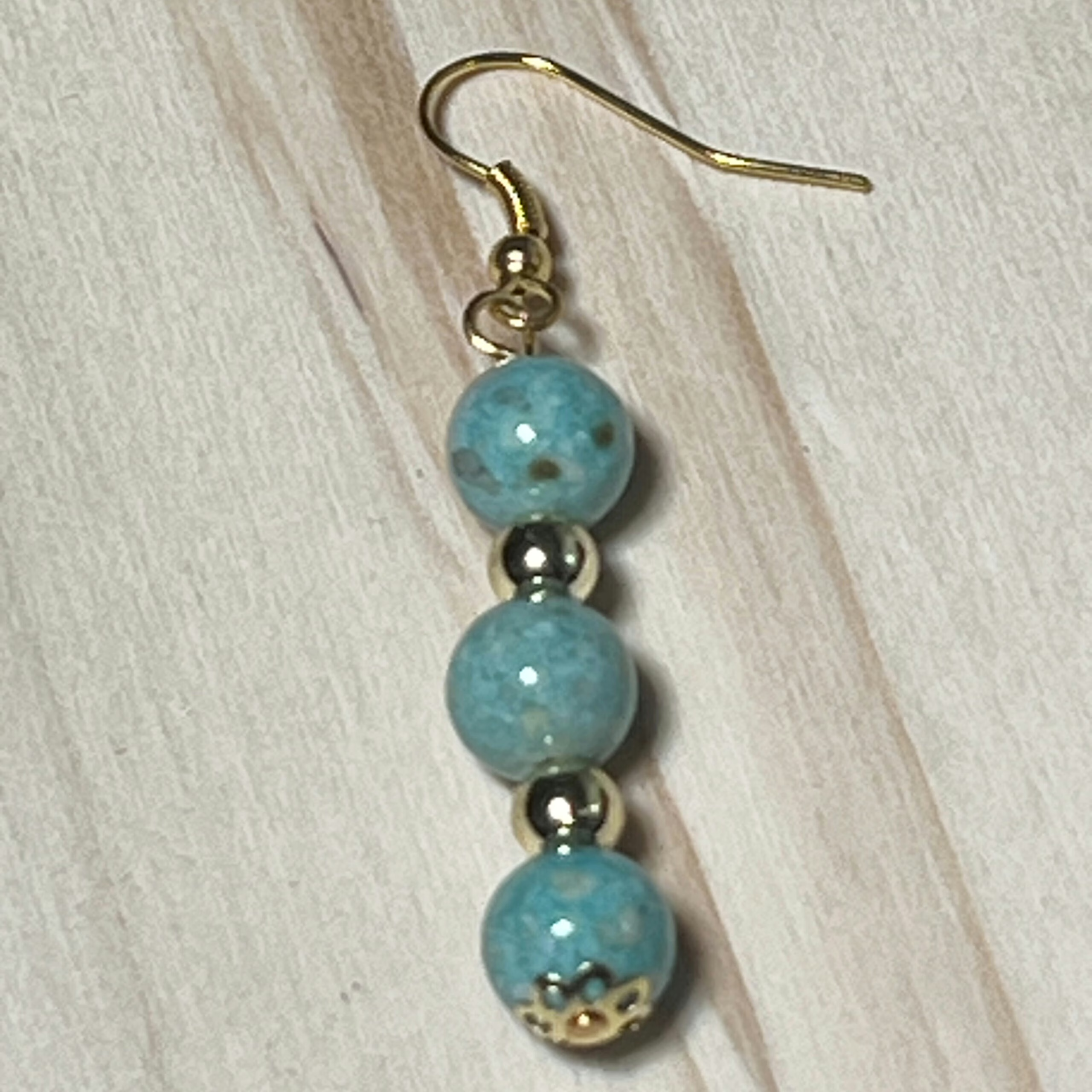
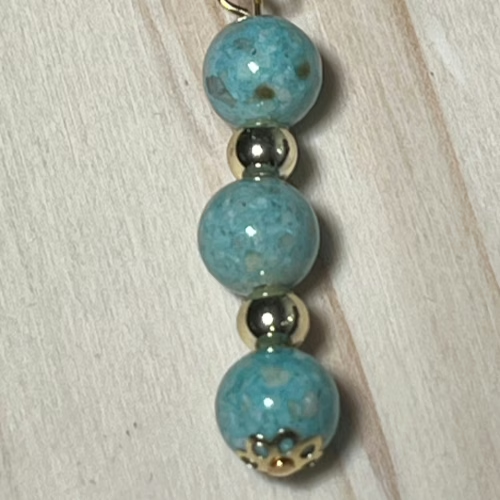
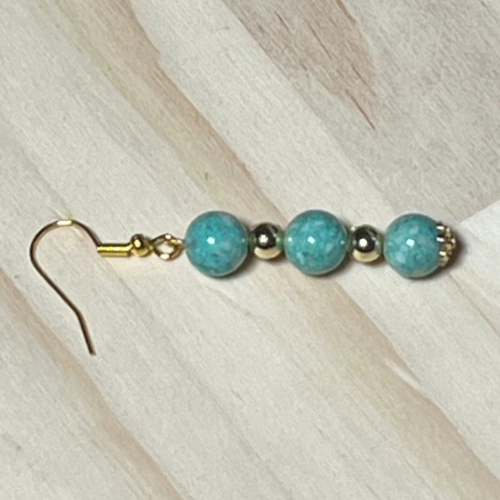
Round Turquoise Gemstone Earrings
$32.00
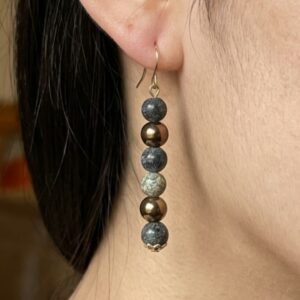
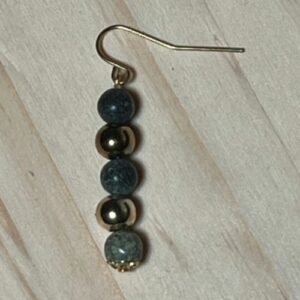
These Round Turquoise Gemstone Earrings are composed of 8mm Turquoise Round Gemstone Beads, 4mm silver plated spacer beads and earrings components
4 in stock (can be backordered)
Description
Dive into the deep blue of style with our Round Turquoise Gemstone Earrings! These beauties are not just earrings; they’re a statement. Made with 8mm turquoise round gemstone beads that practically scream “look at me!” and 4mm silver plated spacer beads that add just the right amount of sparkle. It’s like wearing a piece of the sky on your ears – minus the clouds! ️
Feeling a little dull? These earrings are your new best friends! They’re perfect for any occasion, whether you’re dressing up for a night out or just trying to impress your cat on a lazy Sunday. With their vibrant turquoise hue, they’re guaranteed to elevate your outfit from “meh” to “marvelous” in seconds. Who knew accessorizing could be this easy?
So why wait? Treat yourself (or a friend – we won’t tell!) to the gift of fabulousness. Slip on these earrings and watch as compliments roll in like waves on a sunny beach. Grab your pair today and let your ears do the talking – because when it comes to style, silence is definitely not golden!
Additional information
| Size | 2 inches |
|---|---|
| Material | Turquoise Round Gemstone Beads, silver plated spacer beads and earrings components |
| Colors | Turquoise, Silver |
| Care | Turquoise is a stunning and popular gemstone, but its unique properties require specific care to maintain its beauty. Turquoise is a relatively soft stone, ranking between 5 and 6 on the Mohs hardness scale, making it susceptible to scratches and damage. It is also a porous stone, meaning it can absorb substances that come into contact with it, including oils, chemicals, and even water, which can lead to discoloration. Cleaning turquoise jewelry Protecting and storing turquoise jewelry Regular Inspections: Following these care instructions will help preserve the vibrant color and unique beauty of your turquoise jewelry for many years to come. |
Related products
- Bracelets
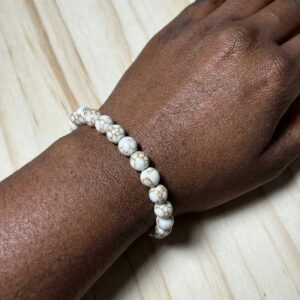
Spun Howlite Gemstone Bracelet
- $26.00
- Select options This product has multiple variants. The options may be chosen on the product page

Reviews
There are no reviews yet.