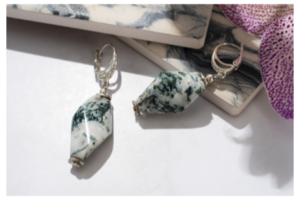
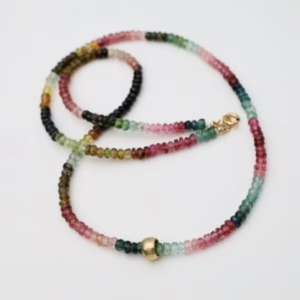
The Eternal Allure of Chalcedony: A Comprehensive Guide to Its Role in Jewelry
Chalcedony is one of the most versatile and storied gemstones in human history. As of 2026, it remains a cornerstone of both high-end “haute joaillerie” and accessible artisan jewelry, prized for its ethereal glow, durability, and a color palette that ranges from the cool mist of a morning sky to the deep, fiery orange of a setting sun.
Defining Chalcedony: The Gemological Backbone
Technically, chalcedony refers to any cryptocrystalline variety of quartz. Unlike macrocrystalline quartz (such as amethyst or citrine), which forms large, distinct crystals, it is composed of microscopic fibers of silica. This unique structure gives the stone its characteristic “waxy” luster and a degree of translucency that creates a soft, internal glow—a phenomenon often compared to the look of light passing through a drop of milk or a grape.
On the Mohs scale of mineral hardness, this gemstone sits at a 6.5 to 7. This makes it tough enough for everyday wear in rings and bracelets, which is why it has been a staple of the jeweler’s bench for over 5,000 years.

The Color Palette of Jewelry
While this gemstone is a broad family name, in the jewelry trade, the term is most often used to describe the translucent blue, lavender, or white varieties. However, the family includes several of the world’s most famous gemstones:
- Blue Chalcedony: The most sought-after for jewelry, ranging from a pale, misty blue to a deep violet-blue. The finest specimens often come from Turkey, Namibia, and Malawi.
- Carnelian: A vibrant orange-to-red variety, historically used in Roman signet rings because hot wax does not stick to its polished surface.
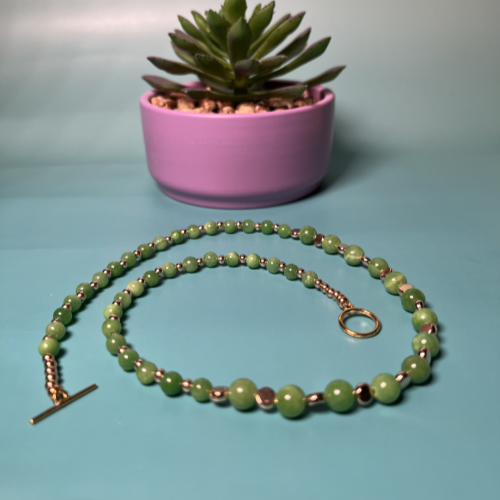
- Chrysoprase: An apple-green variety colored by nickel. It is often mistaken for fine jade and is the most valuable variety in the chalcedony family.
- Agate and Onyx: Known for their banding, these are types of chalcedony used extensively in cameos, intaglios, and statement beads.
Historical Significance: From Signet Rings to Imperial Jewelry
The history of this gemstone jewelry is intertwined with the rise of ancient civilizations.
- Ancient Mesopotamia and Egypt: As early as 2500 BC, chalcedony was carved into cylinder seals and amulets. The Egyptians used carnelian and lapis-colored chalcedony in elaborate pectoral jewelry for royalty.
- The Roman Empire: Romans favored blue chalcedony for intaglios—gems with engraved figures—because of the stone’s toughness. These were worn in heavy gold rings to seal official documents.
- The Victorian Era: This period saw a massive resurgence in chalcedony, particularly in the form of “mourning jewelry” (using black onyx) and delicate blue chalcedony brooches meant to represent “true blue” loyalty.

Modern Trends in 2026
In 2026, this gemstone has seen a massive surge in popularity among Gen Z and Millennial consumers who prioritize “organic” and “glowing” aesthetics over the harsh sparkle of faceted diamonds.
The “Luminous” Aesthetic
Jewelry designers are currently moving away from traditional faceting for chalcedony. Instead, the stone is almost always cut into cabochons (smooth, rounded domes) or “sugarloaf” cuts. This maximizes the stone’s ability to hold light, making the jewelry appear as if it is illuminated from within.
High-Fashion Integration
Major fashion houses like Van Cleef & Arpels and Cartier frequently feature blue chalcedony in their high-jewelry collections. It is often paired with diamonds and white gold to emphasize its cool, airy tones.
Buying Guide: What to Look For
When purchasing chalcedony jewelry in 2026, consider these three factors:
- Translucency: The more uniform the translucency, the higher the value. Avoid stones with “cloudy” or opaque spots unless that is the specific artistic intent.
- Color Uniformity: While some enjoy the natural banding of agate, pure “blue chalcedony” should have an even color without visible zoning.
- Treatments: Be aware that some chalcedony is dyed to enhance its color (especially bright pinks or deep blacks). Natural, untreated stones—like the prized Holley Bluefrom Oregon—carry a significant premium.

Caring for Your Chalcedony
- Avoid Chemicals: Do not wear chalcedony while using household cleaners or applying perfumes, as the stone can absorb chemicals and change color over time.
- Cleaning: Use only warm, soapy water and a soft microfiber cloth. Avoid ultrasonic cleaners, which can cause micro-fractures in cryptocrystalline stones.
- Storage: Store chalcedony pieces in a separate fabric-lined pouch to prevent harder stones like diamonds from scratching the surface.
Conclusion
Whether you are drawn to the fiery energy of carnelian or the tranquil mist of blue chalcedony, this gemstone family offers a unique blend of ancient history and modern elegance. As we move through 2026, its role in the jewelry world continues to evolve, proving that true beauty—much like the stone itself—is enduring and multifaceted.
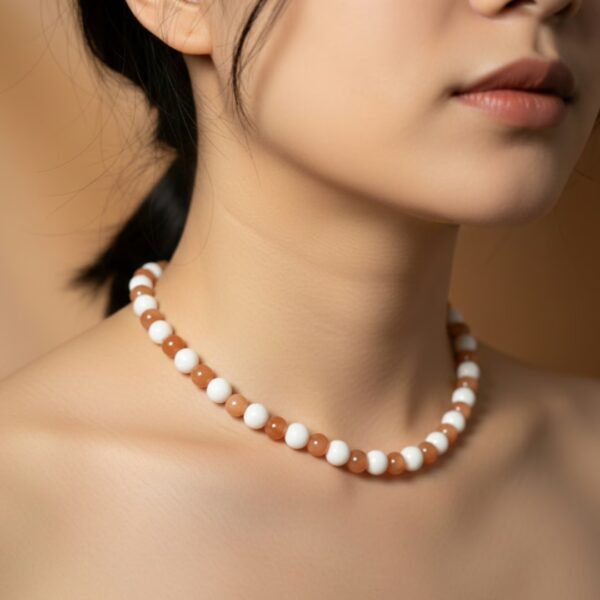
Agate and Chalcedony Necklaces
These Agate and Chalcedony Necklaces are composed of White Agate and Orange Chalcedony Beads, White Seed Beads and Gold-pated Toggle Clasps
Sources
(1) Freepik